Android apps in Kotlin, built to match their iOS twins.
Every Apex app is planned for both platforms from the start. We build Android natively with Kotlin and Jetpack Compose, so it feels right on Android while staying the same product as the iPhone version.
Native Android, not a port.
- Security first
- Decided before design: encrypted on-device storage, the Android Keystore for secrets, no components left open to other apps, and nothing collected that the app doesn't need.
- Phones and tablets
- Jetpack Compose with Material 3, edge-to-edge layouts and adaptive screens.
- Health data
- Health Connect, with the permission rationale and Play declarations Google requires.
- Subscriptions
- Google Play Billing, including trials and restores.
- Offline-first
- Room storage and background sync with WorkManager, so the app works without a signal.
- Accessibility
- TalkBack, Switch Access and 200% font size tested on every screen.
One product, two native apps.
Since September 2026, every Apex app has been planned to ship on both iPhone and Android. Building both natively costs more than a single cross-platform codebase, but it avoids the compromises people notice: scrolling that feels wrong, controls that don't match the system, features that lag behind.
To keep the two apps in step, we write each feature's spec once, then check the Android screens against the iOS reference for layout, color, charts and motion before a release.

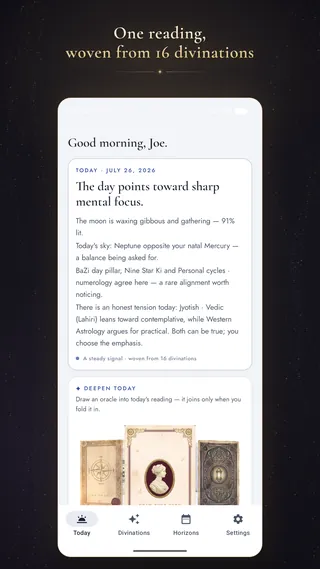
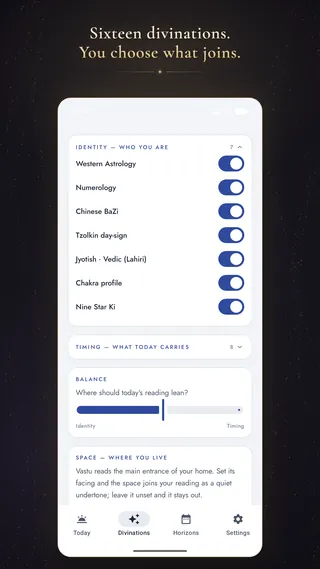
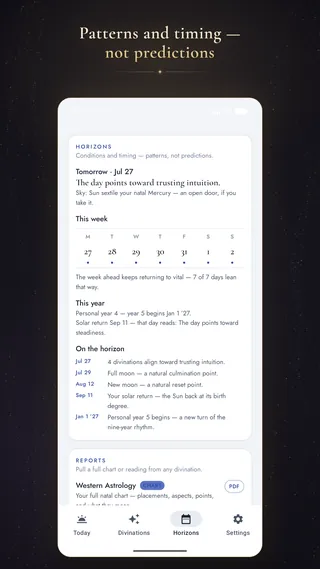
Gleaming Beacon, on Android and iPhone.
One shared Kotlin core does all the calculations. A native Jetpack Compose app runs it on Android, and a native SwiftUI app runs it on iPhone. Coming soon to Google Play and the App Store.

The tools, plainly.
- Language and UI
- Kotlin, Jetpack Compose, Material 3
- Platform
- Health Connect, Room, WorkManager, Play Billing
- Quality
- Unit, Compose UI and screenshot tests; a performance check and a security scan before each release
- Release
- Play Console test tracks, staged rollouts
Before you ask.
Do you use a cross-platform framework like Flutter or React Native?
No. We build Android natively in Kotlin and Jetpack Compose, the same way we build iOS natively in SwiftUI. Where it pays off, the two share a Kotlin core for business logic.
Will the Android app look like the iOS app?
It will look like the same product and follow Android's own conventions. We compare every screen against the iOS version so nothing drifts.
Do you handle Google Play submission?
Yes: the store listing, the Data safety form, content rating, test tracks and the staged rollout.
Can the app read health data on Android?
Yes, through Health Connect, with Google Play's health declarations and the permission rationale Play requires.